Grinding Noise When Braking in Hazelwood, MO: What to Do
Grinding brakes mean metal-on-metal contact. Learn what causes it, why waiting makes it worse, and when to stop driving in Hazelwood, MO.
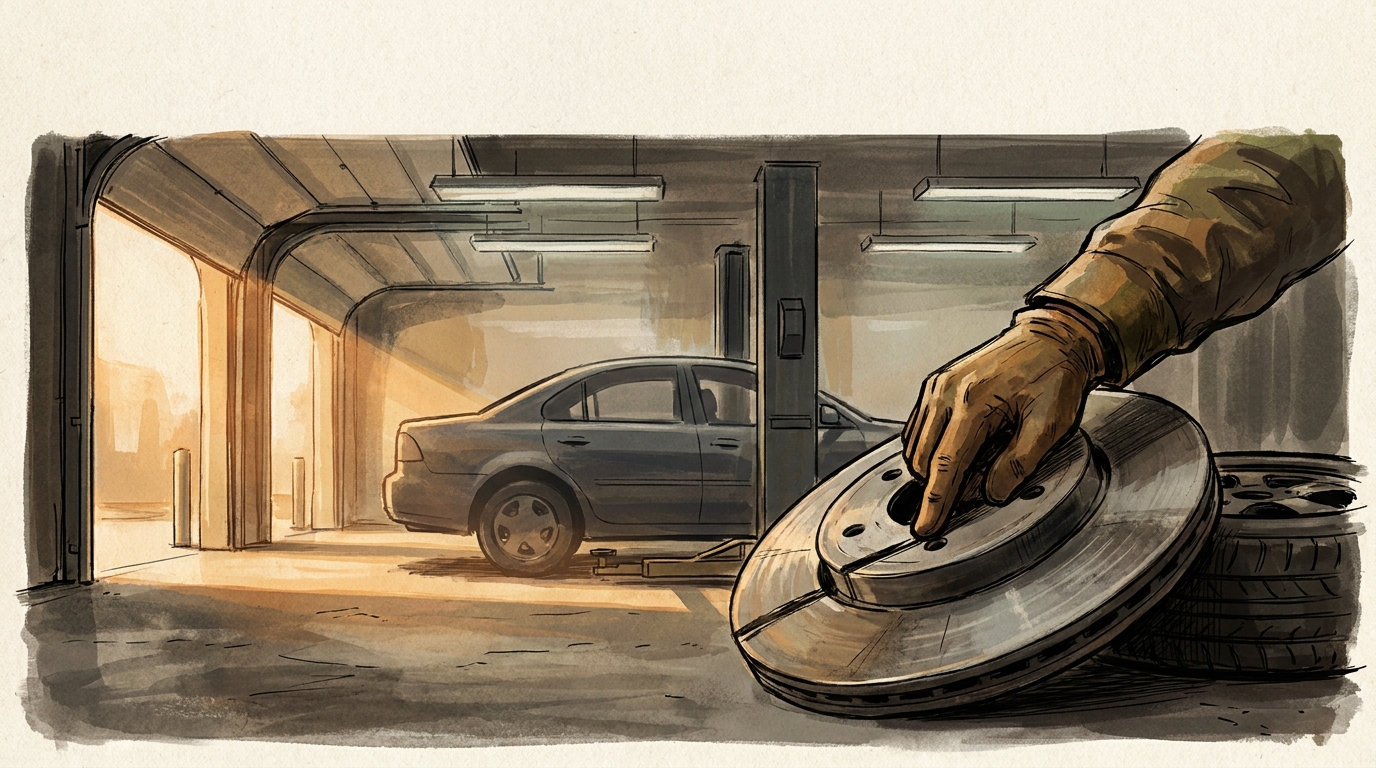
If your brakes are grinding, stop driving on them as soon as it's safe and get the car inspected. A grinding noise usually means the friction material on your brake pads has worn away and the metal backing plate is now scraping the rotor. Every mile you drive on grinding brakes gouges the rotor deeper, raises caliper temperatures, and turns a pad job into a pad-and-rotor job — sometimes a caliper job too.
That's the short version. Below is what the sound actually means, what each day of delay costs you, and when it's safe to drive to a shop versus when you should call for a tow. Our team at Bommarito Toyota Hazelwood sees this exact scenario roll into the service lane year-round, so the guidance here reflects what we tell neighbors who call in from Florissant, Berkeley, and the Dunn Road corridor.
What does a grinding noise when braking actually mean?
A grinding noise when braking most often means your brake pads are worn down to the metal backing plate, which is now scraping directly against the rotor. Debris caught near the rotor, a corroded or damaged rotor, or a dragging caliper can also produce the sound. The noise alone can't tell you which — a hands-on inspection of pads, rotors, calipers, and hardware is required to confirm.
Brake pads are built with a friction layer bonded to a metal backing plate. Once that friction material wears away, the bare metal backing scrapes directly against the rotor every time you press the pedal. That's the metal-on-metal sound drivers describe as grinding, growling, or a harsh scrape.
Not every grinding sound is catastrophic. Semi-metallic and metallic pads can produce a mild grinding under normal use, and rust or surface oxidation that builds up overnight — common after rainy Missouri weeks or a car sitting for a few days — can cause a temporary grinding noise for the first few stops that usually clears on its own. Debris caught between the pad and rotor can do the same thing. The problem is you can't reliably sort "temporary" from "serious" by ear.
How urgent is grinding compared to squeaking?
Grinding is more urgent than squeaking. Squeaking is typically an early warning or nuisance — often the pad wear indicator telling you service is due soon. Grinding indicates hard contact that needs immediate attention, because it almost always means something is making metal-on-metal contact right now. If the grinding gets worse the harder you press the pedal, that's the first sign of metal-on-metal contact from worn pads.
What does waiting actually cost you?
Waiting turns a routine brake-pad replacement into a layered repair. With metal scraping metal, the rotor gets gouged and damaged fast, heat skyrockets, and the caliper piston and seals get exposed to temperatures they weren't designed for. In one documented case, a brake pad worn completely to its metal backing required replacement of both the pad and the rotor due to severe wear on the rotor's mating surface.
The progression tends to look like this:
- Day one of grinding: pads are at or past their wear limit. If caught here, a pad replacement and a rotor inspection is often enough.
- Several days in: rotor surfaces develop grooves. Overheating, warpage, or extended metal-to-metal contact can groove or distort the rotor, causing it to grind, pulsate, or pull to one side when braking. Rotors now need to be resurfaced or replaced.
- Weeks in: a warped rotor can shake the steering wheel or pedal, reducing control of the vehicle during braking. Caliper pistons and seals may be heat-damaged. A rough rotor can also chew up a fresh set of pads if you try to shortcut the repair.
Catching warning signs early — like the squeal that usually comes before the grind — helps reduce repair costs and maintains vehicle safety, avoiding full rotor or caliper replacements later. That's the whole case against waiting: the damage compounds in layers, and each layer adds parts and labor.
When should you stop driving and call for a tow?
Stop driving and arrange a tow if braking feels weaker or different than usual, the pedal feels soft or sinks toward the floor, the car pulls to one side when you brake, you hear severe or continuous grinding while moving, or you notice smoke, a burning smell, or an unusually hot wheel. Any of those signs means the braking system's ability to stop the car is compromised — driving it to a shop is the wrong call.
If the grinding is mild, intermittent, and your pedal feel is still firm and even, it's generally reasonable to drive straight to a service appointment — not to run errands, not to "see if it clears up," but straight in. Bommarito Toyota Hazelwood's service center provides 24/7 towing service and available loaner cars when a tow is the safer choice.
What should a proper brake inspection cover?
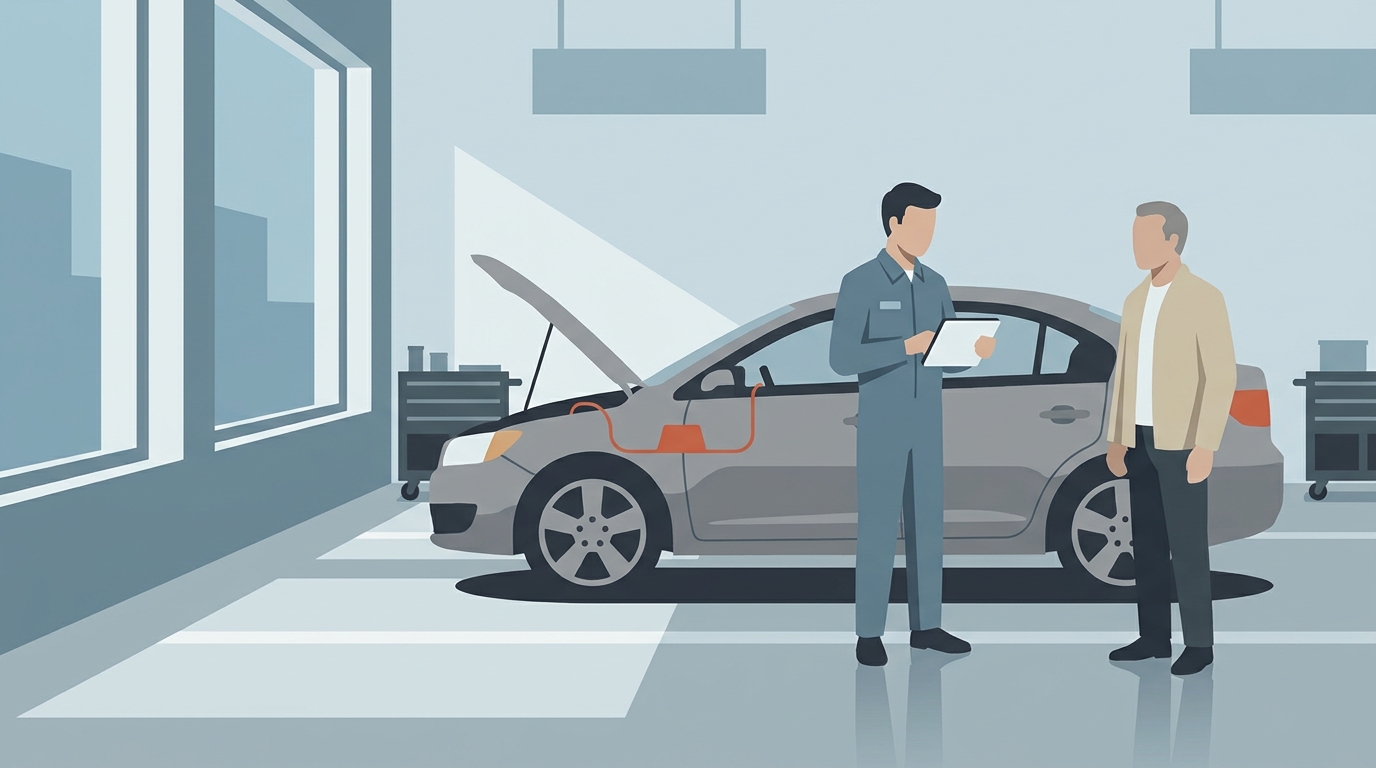
A proper brake inspection examines the pads, rotors, calipers, and related hardware to identify the source of the grinding and assess any damage. The technician measures pad thickness against the manufacturer's service specifications (wear limits are vehicle-specific), checks rotor surface condition and thickness, looks for seized caliper pistons or corroded slide pins, and inspects hardware like clips and shims.
A few diagnostic patterns worth sharing with your technician:
- Grinding that appears specifically when turning suggests a wheel bearing or a localized caliper problem on one side.
- Grinding only at low speed or when coasting often points to a bearing or debris issue rather than pad wear.
- Uneven pad wear often traces back to a caliper issue — when a caliper piston seizes or the slide pins corrode, one pad can stay clamped against the rotor and wear unevenly.
At Bommarito Toyota Hazelwood, inspections are performed by factory-certified technicians using OEM Toyota parts, fluids, and accessories, which matters because brake-pad wear limits and rotor specs vary by model and should be checked against Toyota's service specifications for your specific vehicle.
How often should Hazelwood drivers inspect brakes in 2026?
Manufacturer guidance recommends inspecting brake pads at least twice a year, and/or during an oil change, tire rotation, or tire replacement. That cadence works well for local drivers because a mix of highway commuting, stop-and-go surface streets, and winter road salt is hard on brake components. Pairing a brake check with your regular Toyota Express Maintenance visit is an easy way to stay ahead of it.
Missouri also requires periodic motor vehicle safety inspections, administered by the Motor Vehicle Inspection Section of the Driver and Vehicle Safety Division under the Missouri State Highway Patrol. Brakes are part of that inspection — another reason not to let a grinding noise linger until renewal time.
Comparing your options when brakes grind
| Situation | What it usually means | Recommended action |
|---|---|---|
| Light grinding first few stops after sitting overnight | Surface rust on rotor | Monitor; if it clears within a few stops and pedal feels normal, drive to a scheduled inspection |
| Grinding that worsens when you press the pedal | Metal-on-metal pad wear | Drive directly to a service appointment; do not delay |
| Grinding plus soft pedal, pulling, smoke, or burning smell | Compromised braking system | Stop driving and arrange a tow |
| Grinding only when turning or at low speed | Possible wheel bearing or caliper issue | Schedule a diagnostic inspection promptly |
| Mild grinding with semi-metallic pads, no other symptoms | Normal pad behavior | Mention at next inspection; monitor for change |
Fast,Friendly an very thorough. Had an oil change an front end alignment. We only have one vehicle. They gave us a ride to an from. Highly recommend. They've brought back customer service like we had ages ago.
Frequently asked questions
Is it safe to drive with grinding brakes to a Hazelwood, MO repair shop?
It depends on the symptoms. If the grinding is mild and your pedal still feels firm and responsive, driving directly to a shop is generally reasonable. If the pedal is soft or sinking, the car pulls to one side, you smell burning, or you see smoke or feel a hot wheel, stop and arrange a tow. The braking system's job is to stop the car — if you can't trust it, don't drive it.
How long can I wait before fixing grinding brakes?
Essentially no time. Once grinding starts, the metal backing plate is cutting into the rotor on every stop. Within days, rotors can develop grooves deep enough to require replacement, and heat can damage calipers and seals. What might have been a pad replacement at the first squeal becomes a pad, rotor, and sometimes caliper job the longer you wait. Schedule service as soon as the sound appears.
Could the grinding noise be something other than worn pads?
Yes. Debris caught near the rotor, a corroded or damaged rotor, a dragging brake component, a seized caliper piston, corroded caliper slide pins, or a wheel bearing can all produce grinding or grinding-like noises. Surface rust after the car sits can cause temporary grinding that clears within a few stops. Because the sound alone can't confirm the cause, a hands-on inspection of pads, rotors, calipers, and hardware is necessary.
Why do my brakes grind only when I first drive in the morning?
Rust and surface oxidation that builds up overnight or after sitting in rain can cause a temporary grinding noise for the first few stops, and it usually clears on its own as the pads scrape the rotor clean. If the sound persists past the first few stops, gets worse under pedal pressure, or is accompanied by any change in pedal feel, treat it as a wear issue and get it inspected.
Will grinding brakes damage anything beyond the pads?
Almost always, yes. Metal-on-metal contact rapidly gouges the rotor and generates heat that can distort the rotor and damage caliper pistons and seals. A warped rotor can shake the steering wheel or pedal, reducing control during braking, and a rough rotor will chew up a fresh set of pads if the rotor isn't resurfaced or replaced at the same time. The pad is rarely the only part that needs attention.
How often should I have my brakes inspected?
At least twice a year is the manufacturer-recommended cadence, and pairing a brake check with an oil change, tire rotation, or tire replacement is an easy way to stay on schedule. For drivers dealing with highway commuting, winter road salt, and stop-and-go traffic, that cadence catches wear before it becomes a grinding problem. Brake-pad wear limits are vehicle-specific, so inspections should reference your manufacturer's service specifications.
Getting it handled
Grinding brakes are one of the few car symptoms where the right answer is almost always "get it looked at now." The physics don't negotiate: metal cutting metal on every stop makes the repair bigger every day. Readers in Hazelwood, MO who want this handled professionally can reach Bommarito Toyota Hazelwood's service department at 314-731-0911 or visit https://www.bommaritotoyota.net/ to schedule an inspection. We're located at 9095 Dunn Rd, and 24/7 towing is available if driving the car in isn't safe.